How to Make a Child Feel Special: Meaningful Ways to Celebrate Who They Are
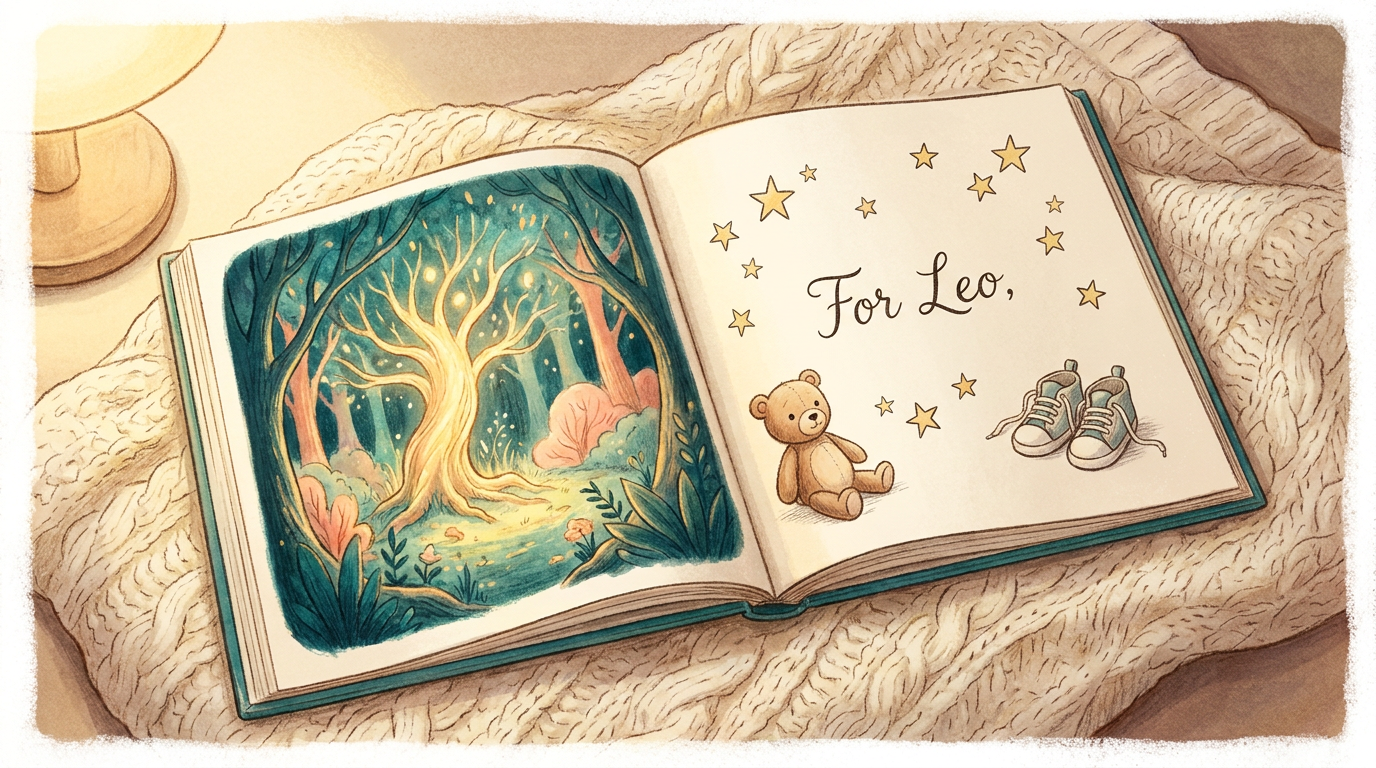
Every child deserves to feel seen, celebrated, and deeply loved — not just on birthdays, but on ordinary Tuesdays, quiet Sunday mornings, and every sleepy bedtime in between. Knowing how to make a child feel special isn't about grand gestures or expensive gifts. It's about showing a child that they — with their particular laugh, their favorite color, their slightly dramatic way of telling a story — matter in a way that no one else does.
Here are some of the most meaningful ways to do exactly that.
1. Use Their Name — A Lot
There is something quietly powerful about hearing your own name spoken with warmth. Using a child's name when you talk to them, when you write them a note, or when you tell them a story sends a clear signal: I am talking to you, specifically you. It sounds simple because it is — and it works.
Take this further by weaving their name into the things they love. A bedtime story where the hero shares their name? A drawing with their name written in bubble letters on the cover? Small touches like these turn ordinary moments into something a child will remember.
2. Pay Attention to the Details That Are Uniquely Theirs
Children notice when the grown-ups in their lives are really paying attention. Ask about the character from the cartoon they mentioned last week. Remember that they prefer their sandwich cut into triangles, not rectangles. Know that their stuffed elephant's name is Gerald and that Gerald has been on every family trip.
When you reflect those details back to a child — in conversation, in gifts, in stories — you are telling them something profound: I see you. The specific, particular, one-of-a-kind you.
This kind of attentiveness is the foundation of genuine connection, and children feel its presence (and its absence) more acutely than most adults realize.
3. Create Rituals That Belong to Just the Two of You
Shared rituals — no matter how small — build a sense of belonging and identity. A secret handshake. A silly song you sing on the way to school. A special phrase you always say before bed. These rituals become part of a child's personal story, something they can carry with them and return to.
The best rituals don't require planning or money. They just require consistency and intention. Show up for the ritual, again and again, and a child learns that they are worth showing up for.
4. Let Them Lead
Give a child the gift of choosing. Let them pick the movie, plan the Saturday afternoon, or decide what goes on the pizza. When children are given real choices — choices that are respected and followed through on — they feel capable and valued.
This isn't about letting children run the household. It's about carving out moments where their preferences genuinely drive the plan. That shift, from passenger to navigator, can do a great deal for a child's sense of self-worth.
5. Tell Them Their Own Story
One of the most powerful things you can do for a child is to help them understand who they are through story. Stories shape identity. When a child hears a tale where they are the main character — where their bravery, their kindness, their curiosity moves the plot forward — they begin to see those qualities as truly their own.
This is why personalized stories make such lasting keepsakes. At StoryKid, every book is built from the unique details only you know about your child: their name, their appearance, their personality, the people they love. The result is a fully original story that couldn't belong to any other child on earth — because it was written for this child, this one, yours.
The Legend tier, for example, includes 17 personalization questions, the child's photo woven into the illustrations, and even supporting character photos so that the people who matter most to them can appear on the pages alongside them. It's not just a story. It's a mirror that shows a child exactly how extraordinary they are.
And for families spread across distances — grandparents in another state, a parent who travels for work — the Audiobook Narration Add-on lets you record your own voice so the story is read in the voice a child knows and loves most. Bedtime, wherever they are, can still sound like home.
6. Celebrate the Everyday, Not Just the Milestones
Birthdays and graduations are easy to celebrate. What takes more intention — and means more — is celebrating the small things. The drawing they're proud of. The day they finally tied their shoes. The moment they stood up for a friend at school.
Make a fuss over the ordinary wins. Write them a note. Do a silly dance in the kitchen. Tell someone else about it in front of the child, so they can hear you brag. These small celebrations accumulate into a sense that who they are — not just what they achieve — is worth celebrating.
7. Be Fully Present
In a world full of notifications and to-do lists, giving a child your full, undivided attention is one of the rarest gifts you can offer. Put the phone down. Get on the floor. Look them in the eye when they talk to you, even when the thing they're explaining has been explained four times already.
Children are remarkably perceptive. They know when you are half-listening, and they know — unmistakably — when you are completely there. That quality of presence tells them, without a single word, that they are worth your time.
8. Create Something That Lasts
Moments pass. Objects endure. A handmade card, a framed photo, a book with their name on the cover — these are the things children return to, tuck under pillows, and carry into adulthood. Physical keepsakes anchor love in something tangible.
When the gift is also deeply personal — something that could only ever have been made for them — it carries even more weight. A child who grows up knowing that someone thought about them carefully enough to create something just for them grows up with a certain quiet confidence. They've seen, in their own hands, the evidence that they matter.
The Simplest Truth
At the heart of every item on this list is one simple idea: making a child feel special means making them feel known. Known in their quirks, their dreams, their fears, and their joys. Known so well that the things you do and say and create for them couldn't have been done for anyone else.
That kind of knowing takes time and attention. But it doesn't have to be complicated. It can start tonight, with a story that has their name on the cover — and their whole wonderful self on every page.
Every child deserves their own story. What will yours say?
Stories about stories — Occasional notes on personalised storytelling and the StoryKid journal. No spam, unsubscribe anytime.